
Slip & Fall Accidents
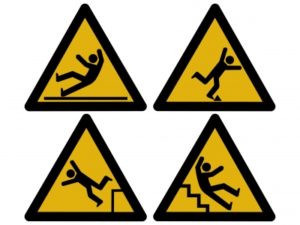
Slip and fall accidents are a type of premises liability claim that may arise when a person is injured because of a dangerous or defective condition on someone else’s property. Depending on the circumstances, a property owner or other responsible party may be liable if they failed to use reasonable care to maintain the property in a reasonably safe condition or to warn visitors of a dangerous condition they knew or should have known about.
Whether a property owner can be held responsible depends on the circumstances of the accident, including the nature of the hazard, how long it existed, whether the owner had actual or constructive notice of the condition, and whether the injured person exercised reasonable care for their own safety.
Common Defenses in Slip and Fall Claims
Property owners and their insurance companies may raise several defenses in slip and fall cases. Two common issues include whether the owner had notice of the dangerous condition and whether the injured person was contributorily negligent.
1. The Person Who Fell Was Contributorily Negligent
Virginia follows the doctrine of contributory negligence. If an injured person is found to have contributed to their own injury through a failure to use reasonable care, that negligence may bar recovery.
For example, a property owner may argue that a hazard was visible and that a reasonable person exercising ordinary care should have noticed and avoided it.
The circumstances surrounding the fall are important. The condition of the premises, lighting, warnings, visibility of the hazard, and the person’s actions immediately before the accident may all be relevant.
2. The Property Owner Did Not Have Notice of the Hazard
A property owner generally cannot be held responsible for every dangerous condition that suddenly appears on the property. In many slip and fall cases, the injured person must establish that the owner had actual or constructive notice of the condition.
Actual notice means the owner or responsible employee knew about the dangerous condition. Constructive notice may exist when the condition was noticeable and had existed for a sufficient period of time that the owner should have discovered it through reasonable care.
For example, if a customer drops an object on a store floor immediately before another customer falls, the property owner may argue that there was not enough time to discover and correct the hazard. On the other hand, evidence that the condition existed for a significant period of time may support a claim that the owner should have discovered it.
Open and Obvious Conditions
Virginia law also recognizes that a property owner generally has no duty to warn an invitee about an unsafe condition that is open and obvious to a reasonable person exercising ordinary care for their own safety. Whether a condition was actually open and obvious, and whether other circumstances affected the person’s ability to recognize or avoid it, can depend on the facts of the case.
What to Do After a Slip and Fall
If you are injured after slipping, tripping, or falling on property belonging to someone else, consider taking the following steps:
- Seek medical attention for your injuries, particularly if you are experiencing significant pain or other symptoms.
- Report the accident to the property owner, manager, or responsible employee and ask that the incident be documented.
- Take photographs or video of the condition that caused the fall and the surrounding area, if you are able to do so.
- Record what happened while the details are still fresh, including where you were, what caused the fall, lighting and weather conditions, and what you were doing immediately before the accident.
- If anyone witnessed the accident, obtain their names and contact information if possible.
- Obtain the name and contact information of the property owner, manager, or employee who responded to the accident.
- Keep relevant documents and evidence, including photographs, medical records, bills, incident reports, and communications with the property owner or insurance company.
- Consult an attorney to determine whether you may have a premises liability claim.
Virginia generally requires personal injury actions to be brought within two years after the cause of action accrues, although exceptions can apply depending on the circumstances.
How Raheen Law Group Can Help
Slip and fall cases can involve questions about the condition of the property, the property owner’s knowledge of the hazard, whether reasonable care was used, and whether other factors contributed to the accident.
At Raheen Law Group, we can evaluate the circumstances of your accident, help identify potentially responsible parties, communicate with insurance companies, and pursue the compensation available under Virginia law.
If you have been injured in a slip and fall accident, contact Raheen Law Group for a consultation to discuss your situation and legal options.
Leave a Reply