
Injury Caused by Medication
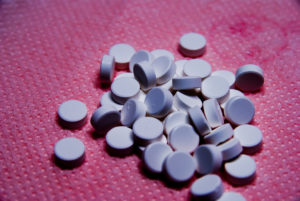
Medications can play an important role in treating illness and improving health, but they can also cause serious injuries when a drug is defective, contaminated, improperly labeled, improperly prescribed or administered, or when important safety information is inadequate. The FDA continues to monitor medications after approval because additional safety risks or side effects may become apparent as drugs are used by larger populations.
Drug recalls can occur when a medication is found to be defective or potentially harmful. The FDA maintains information about drug recalls and safety alerts, including the reason for a recall and the potential risk associated with the medication.
How Medication Can Cause Injuries
Medication-related injuries can have serious and lasting consequences. In some cases, a person may suffer significant medical complications or even death.
Medication injuries can occur in a variety of circumstances, including:
- A defective or contaminated medication;
- Inadequate or inaccurate warnings or labeling;
- A medication error involving the type or dosage of a drug;
- An improperly prescribed or administered medication; or
- Serious adverse effects associated with a medication.
Not every side effect or adverse reaction means that a medication was defective or that another party is legally responsible. Whether a person has a legal claim depends on the medication, the circumstances surrounding its use, the nature of the injury, and the evidence establishing responsibility.
The FDA monitors adverse events and medication errors through its post-market drug safety programs, including its adverse-event reporting system.
Injuries Caused by Dangerous or Defective Medication
A medication-related injury can result in substantial medical expenses, lost income, physical pain, and emotional suffering. When an injury is caused by a defective or dangerous medication or by another party’s negligence, the injured person may have a legal claim for compensation.
Product liability and personal injury claims can involve complex questions concerning the medication’s design, manufacturing, labeling, warnings, distribution, prescription, and use. The appropriate legal theory depends on the specific facts of the case.
Time limits can also apply to medication-injury claims. Virginia generally provides that personal-injury actions accrue when the injury is sustained, although Virginia law contains specific rules for certain latent injuries resulting from the use of a product.
How Raheen Law Group Can Help
At Raheen Law Group, we represent clients who have suffered injuries related to defective, dangerous, or improperly handled medications.
Depending on the circumstances of your case, we can help you pursue compensation for losses such as:
- Medical expenses
- Lost income
- Physical pain and suffering
- Emotional distress
- Other damages resulting from the injury
We will work to understand how the injury occurred, identify potentially responsible parties, gather relevant evidence, and protect your rights throughout the legal process.
If you or a loved one has suffered a serious injury related to a medication, contact Raheen Law Group to discuss your situation and your legal options.
Leave a Reply