
Car Accidents
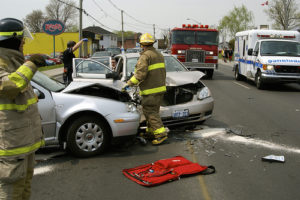
A car accident can cause injuries ranging from minor bruising and strains to serious, life-altering injuries or wrongful death. The force of a collision involving a car, truck, motorcycle, or other vehicle can affect people in many different ways.
Common car accident injuries may include:
- Spinal cord injuries
- Fractures and broken bones
- Herniated or bulging discs
- Traumatic brain injuries
- Rotator cuff injuries
- Neck and back strains
- Other soft-tissue injuries
If you have been injured in a car accident, it is important to protect both your health and your legal rights. Seek medical attention as soon as possible after the accident, even if your injuries initially appear minor. Some injuries may not be immediately apparent.
What Should You Do After a Car Accident?
After an accident, consider taking the following steps:
- Seek medical attention. Follow your doctor’s recommendations and keep records of your treatment and medical expenses.
- Report the accident. Contact law enforcement when appropriate and obtain a copy of the accident report if one is prepared.
- Document the scene. When possible, take photographs or videos of the vehicles, accident scene, visible injuries, and surrounding conditions.
- Exchange information. Obtain the other driver’s contact and insurance information and identify any witnesses.
- Notify your insurance company. You may need to report the accident under the terms of your policy.
- Be cautious when giving statements or signing documents. Before signing a release or other settlement document, consider having an attorney review it.
An accident report can be important evidence, but determining legal responsibility for a collision generally requires examining the available evidence and the circumstances of the accident.
Insurance Claims After a Car Accident
Car accident claims may involve one or more insurance companies. Depending on the circumstances, a claim may involve the at-fault driver’s liability coverage, your own insurance coverage, or uninsured and underinsured motorist coverage.
Virginia law generally requires automobile liability policies to include uninsured and underinsured motorist coverage, subject to statutory requirements and permitted elections or exclusions.
Property Damage
If your vehicle is damaged, the claim may include the cost of repairing the vehicle or other property-related losses that may be legally recoverable.
Rental Vehicle
Depending on the circumstances and applicable insurance coverage, you may have a claim for reasonable rental or transportation expenses while your vehicle is being repaired or replaced.
Medical Payments Coverage
Some automobile insurance policies provide medical payments coverage (Med-Pay), which may help pay certain medical expenses resulting from an accident, regardless of who was at fault, subject to the terms and limits of the policy.
Virginia also provides for certain optional medical and disability payment coverages under specified automobile insurance policies.
Medical Treatment and Injury Claims
Your health should be the first priority after an accident. Follow your healthcare provider’s recommendations and keep documentation of your medical treatment.
If another driver’s negligence caused your injuries, you may be able to pursue compensation for damages allowed under Virginia law. Depending on the circumstances, these may include:
- Medical expenses
- Lost wages and loss of earning capacity
- Property damage
- Pain and suffering
- Other damages supported by the facts and applicable law
The value and types of damages available depend on the circumstances of each case, including the nature and severity of the injuries, the evidence of liability, and the losses suffered.
Pain, Suffering, and Other Non-Economic Damages
Car accident injuries can affect far more than your medical bills. Serious injuries may interfere with work, exercise, travel, driving, relationships, and everyday activities.
Evidence such as medical records, photographs, videos, testimony from family members or other witnesses, and documentation of changes to your daily life may help demonstrate the impact an injury has had.
Time Limits for Car Accident Claims
In Virginia, a personal injury action generally must be filed within two years after the cause of action accrues. Claims involving damage to property generally have a five-year limitation period. Exceptions and special rules can apply depending on the circumstances, so it is important not to wait to seek legal advice.
How Raheen Law Group Can Help
Car accident claims can involve questions about liability, insurance coverage, medical treatment, property damage, and the full extent of your losses.
At Raheen Law Group, we can help investigate the circumstances of your accident, communicate with insurance companies, evaluate your potential claims, and pursue the compensation available under Virginia law.
Leave a Reply