
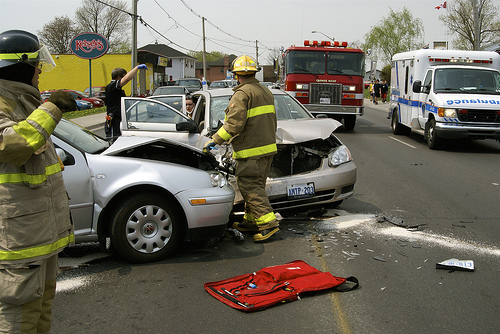
Car accidents occur unexpectedly, and knowing how to respond is critical. If you are involved in a motor vehicle collision, taking structured, deliberate steps at the scene and in the days following can protect your health and your legal interests. The following essential protocol outlines what you should do:
1. Assess Health and Contact Emergency Services
- First and foremost, evaluate your physical condition and check on any passengers in your vehicle to ensure everyone is safe.
- Immediately contact 911 to report the incident.
- Requesting law enforcement ensures that a professional police report is generated, providing an objective record of the collision.
2. Check on the Other Driver Safely
- If you are uninjured and capable of doing so, checking on the well-being of the other driver is recommended.
3. Refrain from Admitting Fault or Apologizing
- Never admit fault or apologize for your driving behavior or actions at the scene.
- Liability is rarely clear immediately following an incident, and preliminary statements can complicate matters.
- Instead, focus on checking your condition, contacting 911, and following the instructions of responding law enforcement officers.
4. Document the Scene Thoroughly
- Capture comprehensive photographs and video footage of the accident scene if you are able.
- Independent documentation is highly beneficial for your records and potential claims.
- Relying solely on obtaining official documentation or police photographs at a later date can sometimes present challenges.
5. Exchange Necessary Information
- Never leave the scene of an accident without exchanging pertinent information.
- Provide your driver’s license and insurance details to the other driver.
- Equally important, secure the other driver’s license information and car insurance details for your own records.
While additional considerations apply as a situation develops, following these core steps will help safeguard your interests immediately following a collision.